Most people choose a massage by its name. It sounds pleasant, so why not. The trouble is that massage names are half marketing and half geography, and they tell you very little about what will actually help. "Relaxing" and "aroma" mean something slightly different in every salon, whereas words like lymphatic drainage or sports massage describe a specific technique with a specific job.
So this guide is built backwards. It does not start from the menu, it starts from the problem. Find the paragraph that describes your week and it will tell you what to book. It will also tell you when a massage is the wrong answer entirely.
Quick comparison
| What is bothering you | What to book | Typical length | Pressure |
|---|---|---|---|
| Stiff neck and shoulders from a desk | Back and neck massage, or the desk-worker massage | 30 or 50 min | medium to firm |
| Sore muscles after training or a race | Sports massage | 50 min | firm |
| Swollen, heavy legs by the evening | Lymphatic drainage | 80 min | very light |
| Tired feet after a day of walking | Foot and leg massage | 30 min | medium |
| Insomnia and an overloaded head | Head spa or anti-stress massage | 50 to 90 min | light to medium |
| Long-running stress, needing to switch off | Aroma oil relaxation massage | 60 or 90 min | light to medium |
| Pregnancy from the second trimester | Prenatal massage | 50 min | light |
| Recovery after childbirth | Postpartum massage | 50 min | light to medium |
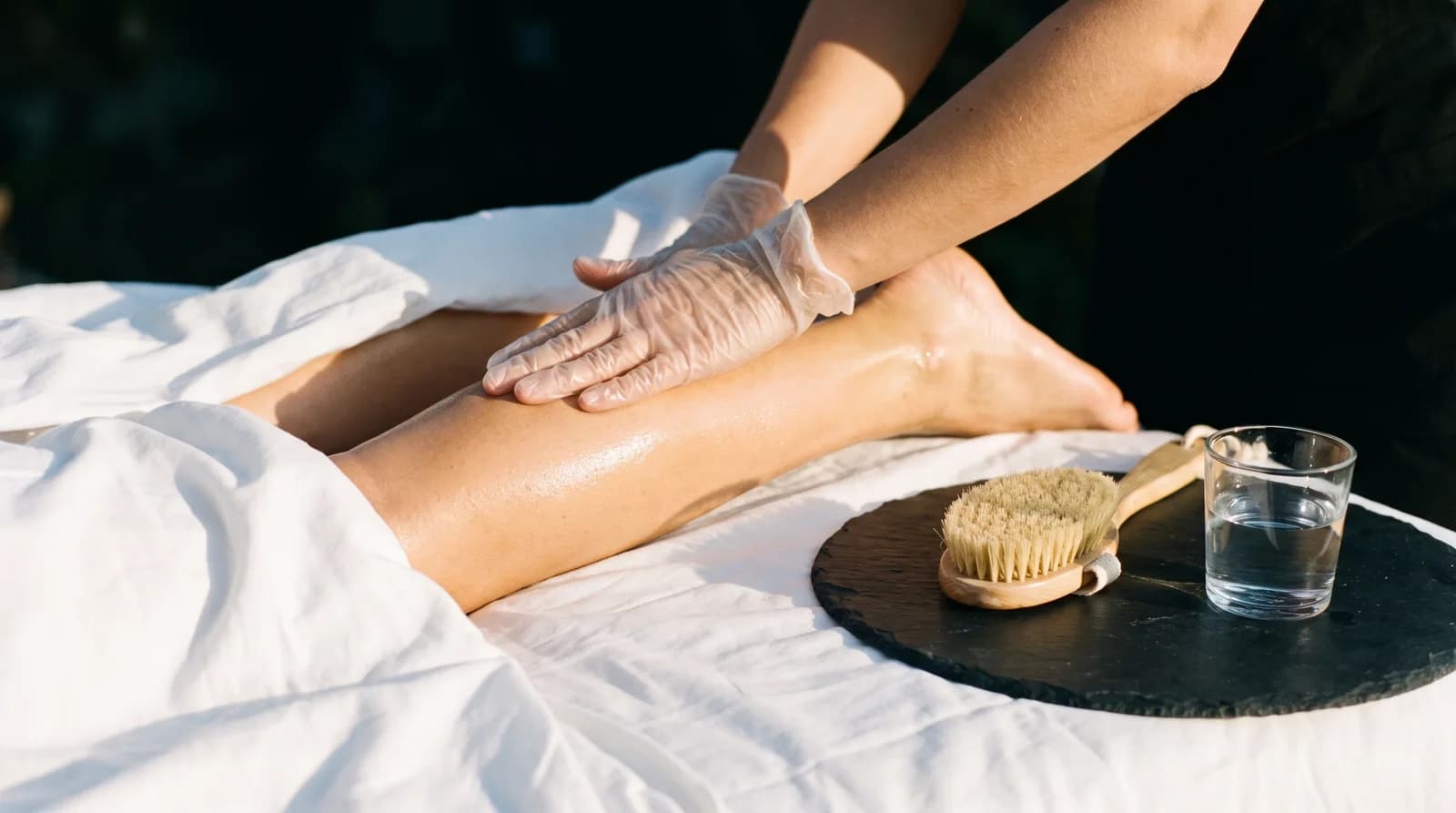
| Cellulite and body shaping | Anti-cellulite massage, maderotherapy or Slim & Glow | 45 to 50 min | firm |
| Feeling cold, cold hands and feet, winter slump | Hot stone or hot herbal ball massage | 60 to 100 min | light to medium |
| One free hour at lunchtime | Express relaxation massage | 45 min | as agreed |
| A gift, or coming as a pair | Couples massage | 60 or 90 min | as agreed |
Desk work: neck, shoulder blades and headaches
The most common reason people come to us, and also the one where massage delivers most reliably. Eight hours at a monitor means a forward head, rounded shoulders and upper trapezius muscles that never get a break, because they are holding a skull against gravity in a position it was not designed for. The result is a hard band between neck and shoulder, an ache between the shoulder blades, and often a headache that starts at the base of the skull and finishes behind the eyes.
Book a back and neck massage. The 50-minute version is the standard one; the 30-minute version works as maintenance between longer sessions rather than as a replacement for them. Tell your therapist if you want deeper work. Firmer pressure genuinely belongs here, because the therapist is working specific trigger points.
What massage will not do for this problem: change your working habits. Go back the next day to the same chair, the same monitor and the same nine hours and the tension returns within three to ten days. That is why desk-related pain responds far better to a series than to a single visit.
After training, after a race, after overdoing it
Muscles that ache two days after unfamiliar effort are adapting, not damaged. A sports massage is the right call: deeper layers, stretching, circulation, and noticeably less pleasant than a relaxation massage. That is expected and fine.
Timing matters more than people think. Before a race you want short, brisk work, not deep kneading. Deep work leaves muscles sluggish for a day or two. After a race, leave at least a day so the acute inflammatory response settles. And a fresh injury, a swollen ankle or a torn muscle should not be touched at all: that is ice, rest and a doctor.
Swollen, heavy legs
If your ankles swell towards evening, your socks leave a mark and your legs feel heavy, the problem is fluid, not muscle. That is what lymphatic drainage is for, and it is the treatment people most often picture wrongly. There is no deep kneading. The pressure is deliberately very light, because lymphatic vessels sit just under the skin and firm pressure simply collapses them. The work is slow, rhythmic and directed towards the lymph nodes. It runs 80 minutes because anything shorter cannot cover the system properly.
The effect is usually noticeable immediately and lasts a few days. If the cause is chronic, whether that is standing all day, long flights, heat or hormonal contraception, a series makes sense.
One important exception: if only one leg is swollen, and it is warm, red and painful, do not come for a massage. See a doctor. That picture can mean a clot, and massage in that situation is dangerous.
Insomnia, an overloaded head, stress
When the real problem is that you cannot stop, the selection logic changes. The aim is not to work a muscle loose but to get the nervous system out of alert mode, and slow, predictable, sustained touch does that better than deep work.
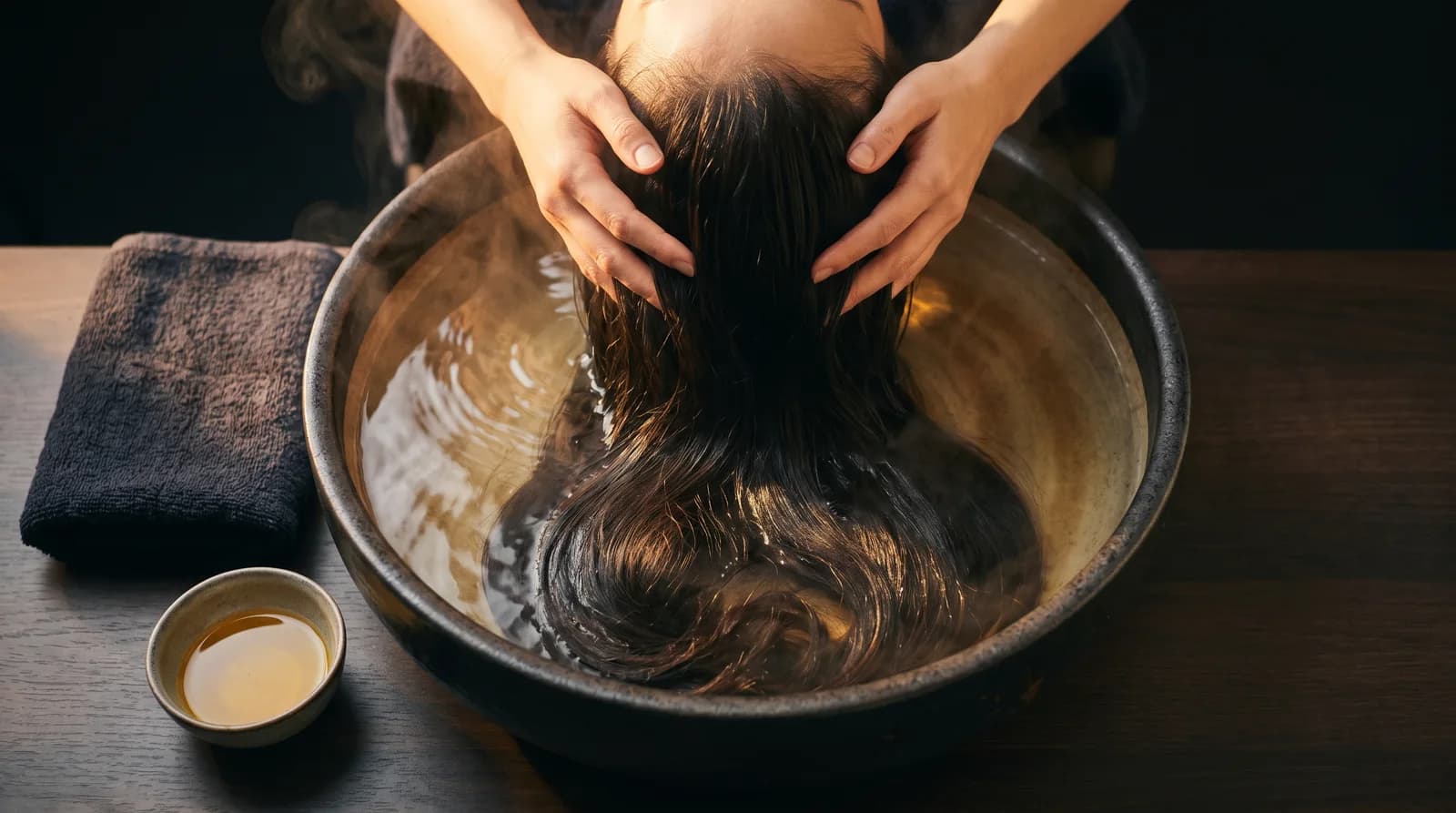
Two good options. The first is a head spa, if the stress comes with a heavy head, tired eyes and a tight neck. Long scalp work is one of the most reliable ways to put someone to sleep. The second is an anti-stress massage, if you need whole-body work and a longer uninterrupted block of quiet. A 90-minute aroma oil relaxation massage does much the same job and is the best choice when nothing specific hurts and you simply want ninety minutes in which nobody needs you.
If we could give one piece of advice more often than any other: do not pick the firmest massage on the assumption that firmer means more effective. For stress and sleep the opposite is true. A body will not let go while it is also bracing against pressure.
Pregnancy and the months after
A prenatal massage is generally safe from the second trimester, roughly from week 14, and in a high-risk pregnancy only with your obstetrician's approval. It is not usually recommended in the first trimester. The work is done side-lying with supports, never face down and never for long stretches flat on the back, and the therapist deliberately avoids certain areas, particularly around the ankles and the lower abdomen.
The usual reasons expectant mothers come: lower back and pelvic pain, swollen legs, and poor sleep in the third trimester. Every two weeks in the second trimester and weekly in the third is a common rhythm.
After the birth, wait until the six-week postpartum period is over, and longer after a caesarean, following your doctor's guidance. A postpartum massage then deals mostly with overloaded back and shoulders from carrying and feeding, a load almost nobody anticipates.
Body shaping and cellulite
This category deserves its own article, and it has one: a detailed comparison of lymphatic drainage, anti-cellulite massage, maderotherapy and apparatus treatments. The short version is that these methods support circulation and lymph flow, can temporarily reduce swelling and improve how skin looks, but they are not weight loss and a single session does close to nothing. They are done in series, and the outcome depends heavily on what you do between appointments.
Cold, and the winter slump
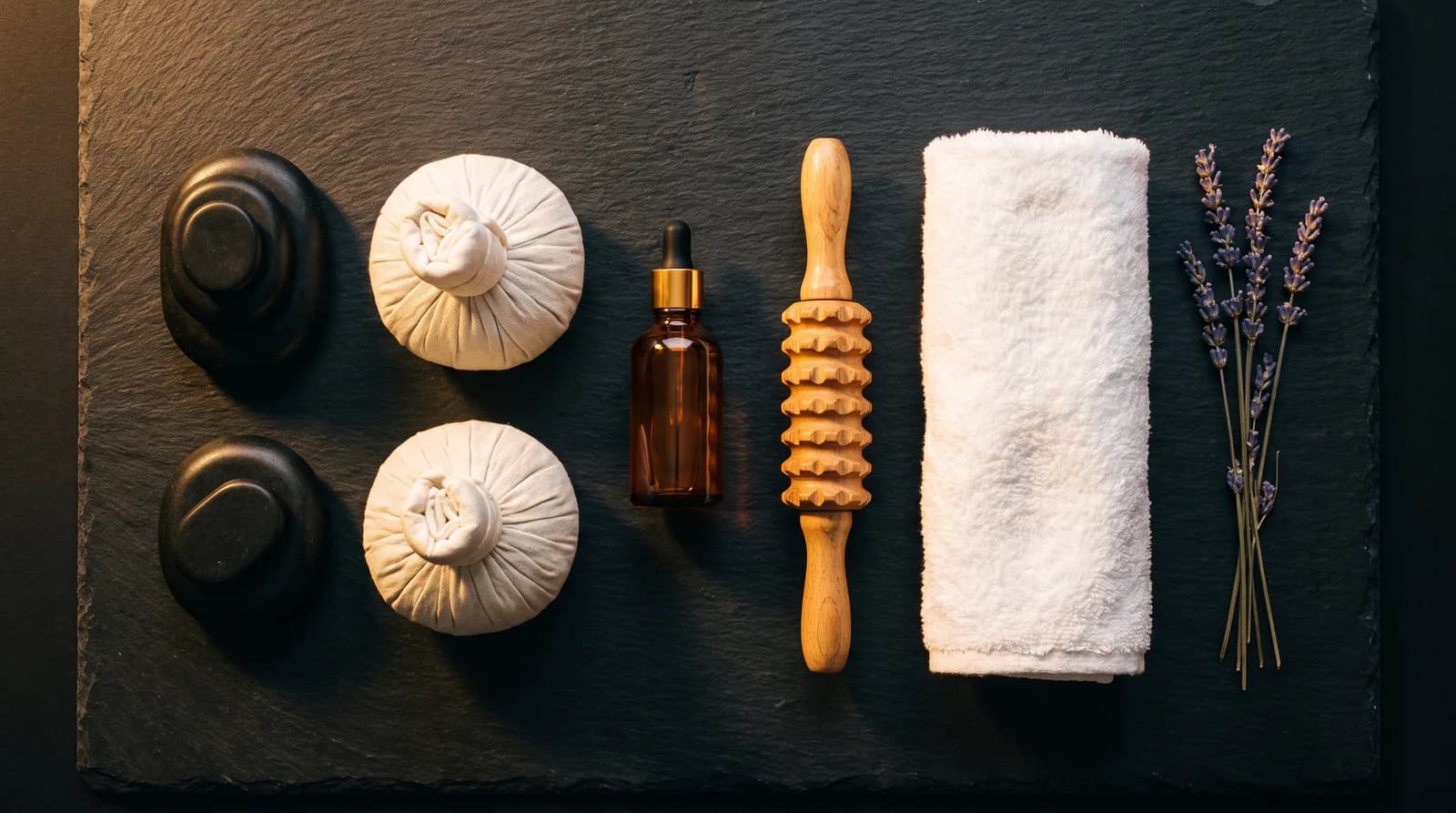
An underrated category. From November to March our most-booked treatments are the ones built around heat: hot stone massage and hot herbal ball massage. Heat softens muscle tone earlier and deeper than hands alone, which makes these a good choice for anyone whose back is tight but who dislikes firm pressure. Both run long, both are rituals more than therapy, and in a Czech winter that is reason enough.
If you have an hour and this is your first visit
Book an express relaxation massage or a 30-minute back and neck massage. Either fits inside a lunch break including the walk, either tells you whether our approach suits you, and neither commits you to ninety minutes of something you picked by its name. Every option with its duration is on the treatments page, and current prices are on the price list.
How often is worth it
- One-off, after overdoing it, after travelling, or simply as a present to yourself. The effect lasts a few days.
- Monthly is a realistic maintenance rhythm for most people with no specific complaint.
- Every two weeks, if you work at a desk or train regularly.
- A series of five to ten sessions, roughly weekly, when you are treating something specific: a chronically tight neck, swelling, recovery, body shaping. This is the only pattern in which you can expect change rather than relief.
When a massage is not the answer
Probably the most important paragraph here. Book a doctor or a physiotherapist rather than us if any of the following applies:
- Pain radiates into an arm or a leg, your fingers tingle, or a limb feels weak.
- Pain wakes you at night, or is worse at rest than in movement.
- The pain started after an injury, a fall or a car accident.
- You have a fever, active inflammation or an ongoing infection.
- Only one limb is swollen and it is warm, red and painful.
- You are losing weight without meaning to, or there are symptoms that have nothing to do with muscle.
We are not a medical facility and we do not diagnose. Massage is excellent for muscular tension, stress and recovery. It is not a substitute for being examined.
Still not sure
Write one sentence about what is bothering you in the notes when you book, and pick whichever duration fits your day. We will fine-tune the rest in the room. Every visit starts with a short conversation anyway, and the treatment can be adapted. It is faster than reading the whole price list and the result is usually better.
Frequently asked questions
Does a massage have to hurt to work?
No. Uncomfortable pressure makes sense in sports and anti-cellulite work, where the therapist is reaching deeper structures. In relaxation and lymphatic treatments, pain means the pressure is wrong, not that it is working.
Can I come with a cold?
Not with a fever. With a lingering runny nose and no temperature, usually yes, but tell us in advance so we can decide together.
How long after eating?
Ideally at least an hour, particularly for treatments done lying face down.
Why am I told to drink water afterwards?
Not to "flush out toxins", which is a myth. Simply because you feel better hydrated after being warmed and worked on, and with lymphatic treatments there is a practical reason too.
Can I request a particular therapist?
Yes, if they are free at that time. Put the preference in the notes when you book.